You fill your compost bin with kitchen scraps, set it out for collection, and then it is gone. But what happens next?
Food scrap pickup is more than a waste service. It is part of a local cycle that turns everyday kitchen waste into compost that can support healthier soil.
Step 1: Food Scraps Are Collected
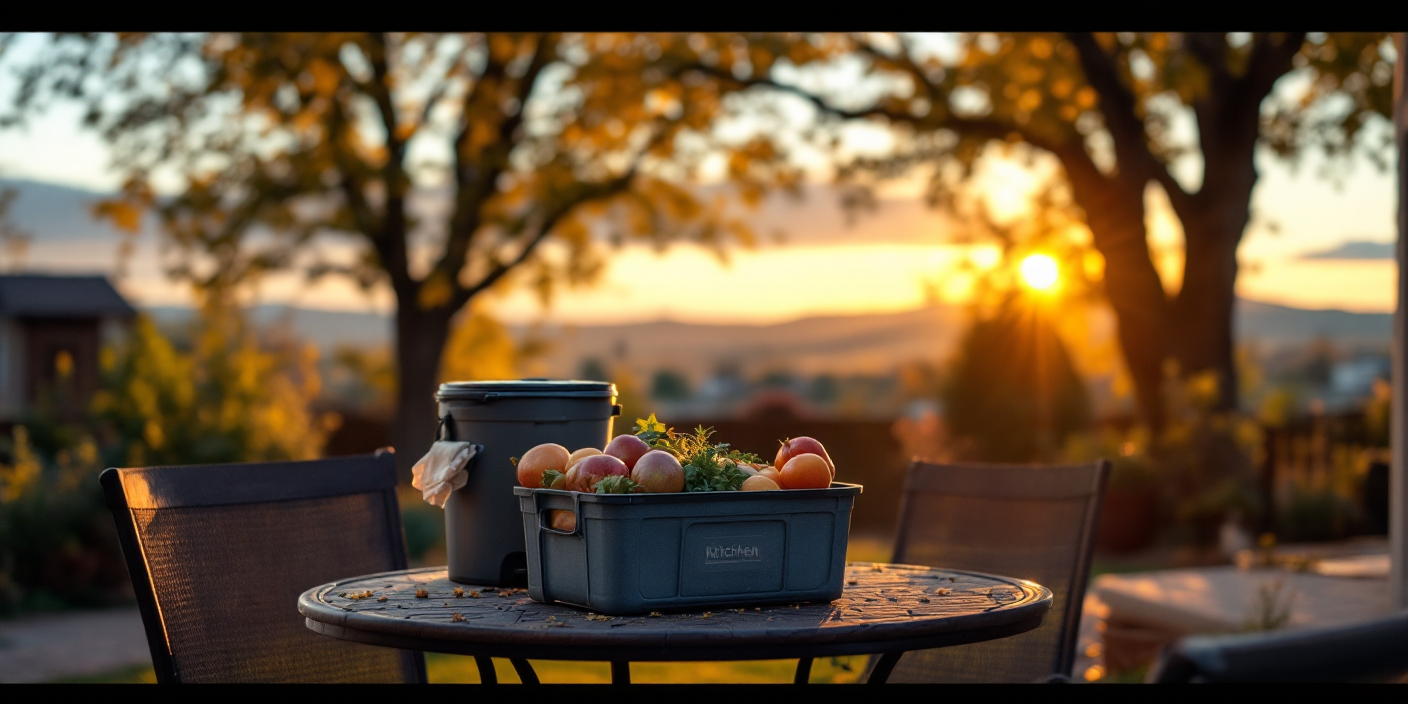
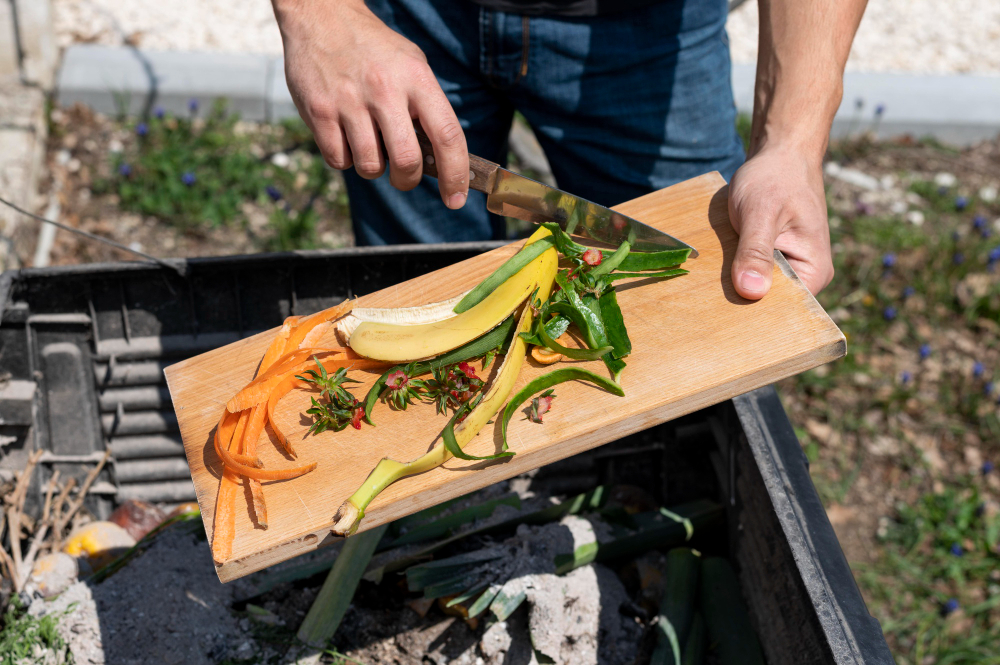
The process starts at home. Instead of throwing food scraps in the trash, you place them in your compost container.
Common compostable items often include fruit and vegetable scraps, coffee grounds, eggshells, and other food waste. Always check your service guidelines to make sure you are adding the right items.
Step 2: Scraps Are Composted
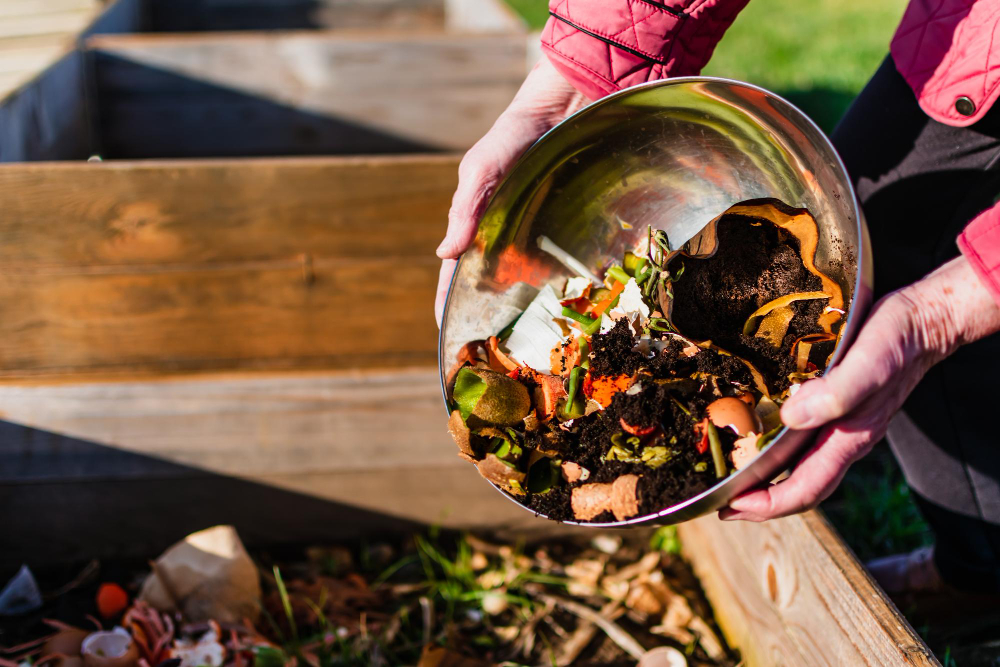
After pickup, the collected organic material is processed into compost. Composting breaks food scraps down into a nutrient-rich soil amendment.
This keeps useful organic material out of the landfill and gives it a second life.
Step 3: Compost Supports Local Soil
Finished compost can help improve soil structure, moisture retention, and overall soil health. That is especially helpful in Northern Colorado, where dry weather and tough soil conditions can make gardening challenging.
Compost can support vegetable gardens, flower beds, lawns, trees, shrubs, and local growing projects.
Why Clean Compost Matters
Keeping non-compostable items out of your bin is important. Plastic, stickers, packaging, and trash can contaminate compost.
When households separate scraps carefully, the final compost is cleaner and more useful.
Conclusion: Your Food Scraps Can Do More
Food scraps do not have to end up in the landfill. With local compost pickup, they can become part of a healthier cycle for Northern Colorado soil.
Common Good Compost provides food scrap collection for Fort Collins, Greeley, Loveland, Windsor, Timnath, Severance, Berthoud, and nearby areas. Sign up today and give your food scraps a better purpose.